10 Best Online Tirzepatide Providers 2025 for Safe Weight Loss

10 Best Online Tirzepatide Providers 2025 for Safe Weight Loss

10 Best Online Tirzepatide :Finding a trusted online tirzepatide provider has become increasingly important as more Americans seek effective weight-loss solutions in 2025. With the FDA warning against unapproved GLP-1 medications and numerous telehealth platforms entering the market, choosing a safe and reliable provider requires careful research.

This comprehensive guide analyzes the top 10 online tirzepatide providers based on safety standards, pharmacy transparency, pricing, medical oversight, and customer satisfaction. Whether you’re seeking compounded tirzepatide or brand-name Zepbound®, this article will help you make an informed decision for your weight-loss journey.

What is Tirzepatide and How Does It Work?

Tirzepatide is a dual GIP and GLP-1 receptor agonist that works on two key metabolic pathways to reduce appetite, improve blood sugar control, and support significant weight loss. Unlike single-action medications, tirzepatide’s dual mechanism often produces more substantial results for patients managing obesity or type 2 diabetes.

The medication is available as FDA-approved brands (Mounjaro® and Zepbound®) or through compounded versions from licensed U.S. pharmacies. When prescribed correctly and monitored by healthcare professionals, tirzepatide has shown remarkable effectiveness in clinical studies.

Top 10 Online Tirzepatide Providers in 2025

1. MEDVi – Best for Personalized Treatment Plans

Starting Price: $279 first month, then $399/month for refills

Why MEDVi Stands Out: MEDVi offers personalized tirzepatide treatment with both injection and oral tablet options, making it one of the most flexible platforms available. With availability in 49 states and 24/7 clinician messaging, patients receive comprehensive support throughout their weight-loss journey.

Key Features:

  • Multiple formulation options (injections and tablets)
  • Fast prescription approvals within a few days
  • Unlimited access to licensed clinicians
  • No long-term contracts or hidden fees
  • Transparent pricing structure
  • Works with licensed U.S. compounding pharmacies

Best For: Patients who want flexible medication formats and round-the-clock medical support.

Considerations: Brand-name medications like Zepbound® are rarely in stock, and lifestyle/nutrition support is limited compared to comprehensive weight-loss programs.

2. Willow – Best for Compounded Tirzepatide

Starting Price: $399/month

Why Willow Stands Out: Willow has built a reputation for pharmacy transparency and safety, partnering with LegitScript-certified U.S. compounding pharmacies including Red Rock Pharmacy and The Pharmacy Hub (TPH). With over 50,000 patients and same-day approvals, Willow prioritizes speed without sacrificing quality.

Key Features:

  • Same-day prescription approvals
  • Free 2-day shipping on all orders
  • Transparent monthly pricing with no surprises
  • Unlimited messaging with U.S. clinicians
  • Clear pharmacy sourcing information
  • Both injection and sublingual tablet options

Best For: Patients seeking fast approval times and maximum pharmacy transparency.

Considerations: Only offers compounded medications, not FDA-approved brand options like Zepbound® or Mounjaro®.

3. MyStart Health – Best for No Membership Fees

Starting Price: $374/month (oral tirzepatide plan)

Why MyStart Health Stands Out: MyStart Health eliminates membership fees while providing access to 600+ board-certified clinicians across the United States. The platform offers price-lock guarantees, ensuring predictable costs throughout your treatment.

Key Features:

  • Zero membership or sign-up fees
  • Price-lock guarantee on all plans
  • Access to 600+ board-certified U.S. clinicians
  • 24/7 clinician messaging support
  • Home delivery included in pricing
  • Licensed U.S. 503A compounding pharmacies
  • Easy cancellation anytime

Patient Results: MyStart reports that patients lost an average of 22 pounds over six months, with a 92% satisfaction rating.

Best For: Patients who want predictable pricing and extensive clinician network access.

Considerations: Only compounded medications available; no access to Zepbound® or Mounjaro®.

4. Yucca Health – Best for Flexible Payment Options

Starting Price: $258/month (Tirzepatide+ compounded program)

Why Yucca Health Stands Out: Yucca Health offers the lowest entry price among major providers and stands out for its B12-enhanced formulas and flexible payment options through Affirm, Klarna, and Afterpay. The 24-hour approval process makes starting treatment quick and convenient.

Key Features:

  • Lowest starting price at $258/month
  • B12-boosted GLP-1 formulas available
  • Flexible payment plans (Affirm, Klarna, Afterpay)
  • Fast 24-hour approval process
  • Personalized dosing protocols
  • Free 2-day shipping
  • Licensed providers in all 50 states
  • Transparent intake process

Best For: Budget-conscious patients who need flexible payment options and want B12 supplementation.

Considerations: Compounded medications only; exact pricing shown after intake; limited coaching support compared to comprehensive programs.

5. Henry Meds – Best for Comprehensive Support

Starting Price: $297/month

Why Henry Meds Stands Out: Henry Meds combines medication access with comprehensive lifestyle support, including nutrition guidance, exercise recommendations, and behavioral coaching. The platform focuses on long-term sustainable weight loss rather than just prescription fulfillment.

Key Features:

  • Holistic approach including lifestyle coaching
  • Personalized nutrition and exercise plans
  • Regular check-ins with healthcare providers
  • Medication adherence tracking
  • Educational resources and community support
  • Both compounded and brand options when available
  • Flexible subscription model

Best For: Patients seeking comprehensive weight-loss support beyond medication alone.

Considerations: Slightly higher cost due to additional support services; may be unnecessary for patients who only want medication access.

6. Ro Body – Best for Established Telehealth Platform

Starting Price: $299/month

Why Ro Body Stands Out: Ro (formerly Roman) has years of telehealth experience and brings that expertise to its weight-loss program. The company’s established infrastructure ensures reliable medication delivery and consistent patient care.

Key Features:

  • Backed by established telehealth company
  • Robust patient portal and tracking tools
  • Multiple GLP-1 medication options
  • Comprehensive intake and monitoring
  • Strong customer service infrastructure
  • Regular provider follow-ups
  • Educational content library

Best For: Patients who value an established company with proven telehealth experience.

Considerations: Pricing can increase with higher doses; some patients report longer initial approval times compared to newer platforms.

7. Sesame Care – Best for Provider Choice

Starting Price: $275/month + consultation fees

Why Sesame Care Stands Out: Sesame Care operates as a marketplace that connects patients with multiple healthcare providers, allowing you to choose your preferred clinician based on reviews, credentials, and pricing. This model offers more control over your care experience.

Key Features:

  • Choose from multiple healthcare providers
  • Transparent provider credentials and reviews
  • Competitive cash-pay pricing
  • Direct communication with your chosen provider
  • Flexible appointment scheduling
  • Various medication options available
  • No insurance required

Best For: Patients who want to select their specific healthcare provider.

Considerations: Consultation fees are separate from medication costs; experience may vary depending on chosen provider.

8. PlushCare – Best for Insurance Integration

Starting Price: Varies by insurance; $329/month cash-pay

Why PlushCare Stands Out: PlushCare works with many insurance plans and can help navigate coverage options for tirzepatide prescriptions. For patients with partial coverage or HSA/FSA funds, PlushCare provides billing support and insurance coordination.

Key Features:

  • Works with major insurance providers
  • HSA/FSA accepted
  • Board-certified physicians
  • Same-day appointments often available
  • Prescription sent to pharmacy of choice
  • Can coordinate with existing healthcare providers
  • Comprehensive telehealth services

Best For: Patients with insurance coverage or HSA/FSA accounts who want to maximize benefits.

Considerations: Insurance coverage for weight loss is limited; many patients still pay out-of-pocket; brand medications often not covered.

9. Push Health – Best for Multi-State Licensing

Starting Price: $315/month

Why Push Health Stands Out: Push Health maintains strong licensing across all 50 states and connects patients quickly with board-certified providers. The platform emphasizes medical safety and proper screening protocols.

Key Features:

  • Available in all 50 states
  • Fast online questionnaire process
  • Board-certified medical providers
  • Various dosing options available
  • Clear medication sourcing
  • Regular monitoring and follow-up
  • No long-term commitments

Best For: Patients in states where some providers have limited access.

Considerations: Less comprehensive lifestyle support compared to full weight-loss programs; focuses primarily on medication access.

10. Hers – Best for Women-Focused Care

Starting Price: $329/month

Why Hers Stands Out: Hers provides weight-loss treatment specifically designed for women’s health needs, considering hormonal factors, life stages, and gender-specific health concerns. The platform offers a supportive community and women’s health expertise.

Key Features:

  • Women-focused healthcare approach
  • Considers hormonal and metabolic factors
  • Female-focused community support
  • Comprehensive women’s health services
  • Discreet packaging and delivery
  • Licensed female providers available
  • Holistic wellness approach

Best For: Women who prefer providers specializing in women’s health and want gender-specific support.

Considerations: Limited to female patients; men seeking tirzepatide should choose other providers.

How to Choose the Right Tirzepatide Provider for You

1. Verify Real Medical Supervision

The most critical factor is confirming that licensed clinicians oversee your entire treatment. Reputable providers require:

  • Complete medical assessment and history review
  • Screening for contraindications (pancreatitis, thyroid cancer history, gallbladder issues)
  • Ongoing dose management and side effect monitoring
  • Access to clinicians for questions and adjustments

Avoid providers offering instant approvals without medical screening—these shortcuts are unsafe and potentially dangerous.

2. Evaluate Pricing Transparency

Clear pricing prevents unexpected costs. Quality providers should clearly display:

  • Initial and ongoing monthly costs
  • How pricing changes with dose increases
  • Whether you’re receiving brand or compounded medication
  • Any additional fees for shipping, consultations, or labs
  • Cancellation and refund policies

If prices are hidden until after consultation, consider this a red flag.

3. Check Pharmacy Credentials

Before ordering, verify which pharmacy fulfills your prescription:

  • Look for state-licensed 503A or 503B compounding pharmacies
  • Check for LegitScript certification
  • Verify proper cold-chain handling for medication integrity
  • Confirm the pharmacy name and location are clearly stated
  • Research pharmacy reviews and safety records

Providers who won’t name their pharmacy partner may lack proper quality controls.

4. Understand Medication Type

Know whether you’re receiving:

  • FDA-approved brands (Zepbound®, Mounjaro®): Higher cost ($1,000-$1,400/month), strict quality standards, more consistent dosing
  • Compounded tirzepatide: Lower cost ($200-$500/month), not FDA-approved, quality varies by pharmacy

Compounded options are legal when prepared by licensed pharmacies, but understand the trade-offs in quality assurance and regulatory oversight.

5. Assess Long-Term Support

Quality programs provide:

  • Regular follow-up appointments
  • Dose titration guidance (starting at 2.5mg, increasing gradually)
  • Side effect management support
  • Nutrition and lifestyle guidance
  • Progress tracking tools
  • Access to clinicians between appointments

One-time prescriptions with no follow-up care are inadequate for safe tirzepatide treatment.

6. Review Cancellation Terms

Understand your commitment:

  • Can you cancel easily without penalties?
  • Are there long-term contract requirements?
  • How are refunds handled for medical denial?
  • What’s the process for pausing treatment?

Clear, fair cancellation policies indicate a trustworthy provider.

7. Read Patient Reviews

Check multiple sources:

  • Trustpilot and BBB ratings
  • Reddit discussions and patient forums
  • Social media comments and experiences
  • Delivery times and customer service feedback

Look for patterns in reviews regarding approval speed, medication quality, billing issues, and provider responsiveness.

8. Watch for Red Flags

Immediately avoid providers that:

  • Sell tirzepatide without a valid prescription
  • Offer “instant approval” with no medical review
  • Accept only cryptocurrency payments
  • Have prices that seem impossibly low
  • Won’t disclose pharmacy information
  • Ship pre-filled pens from 503A pharmacies (illegal)
  • Provide no clinician credentials
  • Skip essential medical lab work

What to Expect From Your Online Tirzepatide Program

Initial Medical Evaluation

Your journey begins with a comprehensive assessment covering:

  • Current weight and BMI calculation
  • Medical history and conditions
  • Current medications and allergies
  • Family health history
  • Previous weight-loss attempts
  • Lifestyle and dietary habits

Eligibility typically requires:

  • BMI of 30 or higher, OR
  • BMI of 27 or higher with weight-related conditions (high blood pressure, type 2 diabetes, high cholesterol, sleep apnea)

Telehealth Consultation

You’ll meet virtually with a licensed doctor, nurse practitioner, or physician assistant who will:

  • Review your health assessment in detail
  • Explain how tirzepatide works
  • Discuss potential side effects
  • Answer your questions
  • Confirm your eligibility
  • Create your personalized treatment plan

This consultation ensures you’re getting genuine medical care, not just an automatic prescription.

Medication Delivery

Once approved, your prescription ships directly from a licensed pharmacy with:

  • Clear dosing instructions
  • Injection technique guidance
  • Storage requirements
  • Emergency contact information
  • Typically arrives within 3-7 days

Dosing Schedule

All legitimate programs follow FDA guidelines:

  • Weeks 1-4: 2.5mg once weekly (starter dose)
  • Weeks 5-8: 5mg once weekly
  • Weeks 9-12: 7.5mg once weekly
  • Weeks 13-16: 10mg once weekly
  • Weeks 17-20: 12.5mg once weekly
  • Week 21+: 15mg once weekly (maximum maintenance dose)

This gradual titration minimizes side effects and allows your body to adjust safely.

Ongoing Support

Quality programs provide:

  • Monthly check-ins with your provider
  • 24/7 messaging access for questions
  • Side effect management guidance
  • Nutrition and hydration tips
  • Progress tracking tools
  • Dose adjustments as needed

Expected Results

Most patients experience:

  • 15-25% total body weight loss over 12+ months
  • Gradual, steady progress (not overnight changes)
  • Improved blood sugar control
  • Reduced appetite and cravings
  • Better metabolic health markers

Results vary based on individual factors, adherence, and lifestyle modifications.

Tirzepatide Costs: What to Expect in 2025

Compounded Tirzepatide

$200-$500 per month

  • Prepared by licensed U.S. compounding pharmacies
  • Not FDA-approved
  • Lower cost but variable quality
  • Usually includes medical consultation and delivery

Brand-Name Zepbound® or Mounjaro®

$1,000-$1,400 per month (without insurance)

  • FDA-approved with strict quality standards
  • Consistent dosing and manufacturing
  • Limited availability due to high demand

Lilly Direct Self-Pay Program

$349-$499 per month

  • Official Eli Lilly discount program
  • Significant savings for uninsured patients
  • Requires eligibility verification

With Insurance

$25-$500 per month (copay)

  • Coverage more common for type 2 diabetes than weight loss
  • Many plans require prior authorization
  • Significant variation between insurance providers

Safety Considerations and Side Effects

Common Side Effects

  • Nausea (especially during dose increases)
  • Diarrhea or constipation
  • Decreased appetite
  • Abdominal discomfort
  • Fatigue
  • Injection site reactions

Serious Risks (Rare)

  • Pancreatitis
  • Gallbladder problems
  • Thyroid tumors (in animal studies)
  • Severe allergic reactions
  • Kidney problems

Who Should NOT Take Tirzepatide

  • Pregnant or breastfeeding women
  • Personal or family history of medullary thyroid carcinoma
  • Multiple Endocrine Neoplasia syndrome type 2 (MEN2)
  • Severe gastrointestinal disease
  • History of pancreatitis
  • Diabetic retinopathy (use with caution)

Always discuss your complete medical history with your provider before starting treatment.

Frequently Asked Questions

Is buying tirzepatide online safe?

Yes, when you use licensed telehealth providers that require medical evaluations and work with certified pharmacies. Avoid websites selling without prescriptions or those with no clear pharmacy information.

Do I need insurance to get tirzepatide online?

No. Most online providers operate as cash-pay programs specifically designed for patients without insurance coverage. Some platforms can help with insurance billing if you have coverage.

How long does approval take?

Most reputable providers approve prescriptions within 24-48 hours. Some offer same-day approval. Extremely fast “instant” approvals without medical review should be avoided.

What’s the difference between compounded and brand tirzepatide?

Brand medications (Zepbound®, Mounjaro®) are FDA-approved with consistent quality standards. Compounded versions are custom-prepared by pharmacies, cost less, but aren’t FDA-approved and may have variable quality.

Can I use my FSA or HSA?

Many providers accept FSA/HSA payments. Check with your specific provider and account administrator to confirm eligibility.

How do I inject tirzepatide?

Most programs provide detailed instructions and videos. Tirzepatide is injected subcutaneously (under the skin) in the abdomen, thigh, or upper arm once weekly.

What if I experience side effects?

Contact your provider immediately. Reputable programs offer 24/7 access to clinicians who can adjust your dose, recommend management strategies, or determine if you should discontinue treatment.

Can I switch providers?

Yes, though you’ll need a new medical evaluation. Some providers may require you to complete any prepaid period before switching.

Conclusion: Choosing Your Tirzepatide Provider

Selecting the right online tirzepatide provider in 2025 requires balancing cost, safety, medical support, and convenience. The providers listed in this guide—particularly MEDVi, Willow, MyStart Health, and Yucca Health—represent the current leaders in safe, transparent tirzepatide access.

Key Takeaways:

  • Prioritize medical oversight and pharmacy transparency over lowest price
  • Verify that real licensed clinicians manage your treatment
  • Understand whether you’re receiving compounded or brand medication
  • Look for clear pricing with no hidden fees
  • Ensure access to ongoing support and dose management
  • Read patient reviews from multiple sources
  • Avoid red flags like instant approvals or no medical screening

Remember that tirzepatide is a powerful medication requiring proper medical supervision. The right provider will guide you through safe dosing, monitor your progress, manage side effects, and support your long-term weight-loss success.

Before starting any weight-loss medication program, consult with healthcare professionals to determine if tirzepatide is appropriate for your individual health needs and goals.


Medical Disclaimer: This article is for informational purposes only and does not constitute medical advice. Always consult with qualified healthcare professionals before starting any weight-loss medication or treatment program. Individual results may vary.

Read also

Bridget Lancaster Weight Loss Journey: Inspiration and Insights

Bridget Lancaster Weight Loss Journey: Inspiration and Insights

Bridget Lancaster Weight Loss

Bridget Lancaster Weight Loss :Bridget Lancaster, the beloved co-host of America’s Test Kitchen, has become a household name for millions of cooking enthusiasts across the country. Known for her warm personality, culinary expertise, and genuine approach to teaching home cooks, Bridget has spent years in front of the camera sharing her passion for food. Over time, viewers have noticed changes in her appearance, sparking curiosity and conversations about Bridget Lancaster’s weight loss journey.

While Bridget herself has maintained a relatively private stance on her personal health decisions, her transformation has inspired many fans who struggle with similar challenges. In this comprehensive article, we’ll explore what we know about Bridget Lancaster’s approach to health and wellness, the challenges of maintaining a healthy lifestyle while working in the food industry, and the broader lessons her journey offers to anyone seeking sustainable weight management.

Who Is Bridget Lancaster?

Before diving into her weight loss journey, it’s important to understand who Bridget Lancaster is and why her story resonates with so many people. Bridget joined America’s Test Kitchen in 1998 and has since become one of the most recognizable faces in culinary television. Her down-to-earth demeanor and methodical approach to cooking have made her a trusted voice in kitchens nationwide.

Working alongside Christopher Kimball for years and later becoming co-host with Julia Collin Davison, Bridget has tested thousands of recipes, tasted countless dishes, and spent decades immersed in a world where food is the primary focus. This professional environment presents unique challenges when it comes to maintaining a healthy weight and lifestyle.

The Unique Challenges of Working in the Food Industry

Understanding Bridget Lancaster’s weight loss journey requires acknowledging the extraordinary challenges faced by professional chefs, food writers, and television personalities in the culinary world. Unlike most professions, working in food television means:

Constant Exposure to High-Calorie Foods: Test kitchen professionals must taste multiple versions of recipes throughout the day. A single episode might involve sampling dozens of dishes, from rich desserts to buttery pastries and hearty main courses.

Irregular Eating Schedules: Filming schedules often don’t align with regular mealtimes, leading to erratic eating patterns that can disrupt metabolism and hunger cues.

Professional Obligation to Taste: Unlike home cooks who can choose what and when to eat, food professionals must taste everything to provide accurate feedback and recommendations to viewers.

Sedentary Work Environment: Despite the physical nature of cooking, much of television production involves standing in one place or sitting during planning sessions, leaving little room for sustained physical activity.

These factors make weight management in the culinary industry particularly challenging, which is why Bridget Lancaster’s apparent success in this area has garnered such attention and admiration.

What We Know About Bridget Lancaster’s Approach to Health

While Bridget Lancaster has not released detailed public statements about specific weight loss methods or programs, careful observers and longtime fans have noticed gradual changes in her appearance over the years. Rather than dramatic overnight transformation, Bridget’s journey appears to reflect a sustainable, long-term approach to health and wellness.

Portion Control and Mindful Eating

One of the most practical strategies for anyone working in food is developing strong portion control habits. Professional tasters often learn to take small bites and truly savor food rather than consuming full portions of everything they taste. This mindful eating approach allows them to fulfill their professional responsibilities without excessive calorie intake.

Bridget’s years of experience in the test kitchen have likely taught her how to appreciate food’s flavors, textures, and nuances without needing to eat large quantities. This skill translates well to personal health goals and represents a sustainable approach that anyone can adopt.

Balanced Home Cooking

Interestingly, many professional chefs and food personalities report that their home cooking differs significantly from what they prepare on camera. While America’s Test Kitchen is known for developing the best versions of classic recipes—which often include butter, cream, and other indulgent ingredients—personal cooking at home can prioritize vegetables, lean proteins, and whole grains.

Bridget’s extensive knowledge of cooking techniques likely allows her to prepare flavorful, satisfying meals that are also nutritious. Understanding how to build flavor through proper seasoning, cooking methods, and ingredient combinations means healthy food never has to be boring.

Physical Activity and Lifestyle Changes

Sustainable weight loss almost always involves some form of increased physical activity. While specific details about Bridget’s exercise routine aren’t publicly available, incorporating regular movement into daily life is essential for anyone seeking to lose weight and maintain that loss over time.

For busy professionals, this might mean morning walks, lunchtime workouts, weekend hikes, or other activities that fit into demanding schedules. The key is finding activities that are enjoyable enough to maintain long-term rather than viewing exercise as punishment.

Professional Support and Medical Guidance

Many people who successfully lose weight and maintain that loss do so with professional support. This might include working with registered dietitians, personal trainers, physicians, or other health professionals who can provide personalized guidance based on individual health needs, medical history, and lifestyle factors.

Anyone embarking on a significant weight loss journey should consider consulting healthcare providers to ensure their approach is safe and appropriate for their specific circumstances.

Lessons from Bridget Lancaster’s Journey

Even without detailed public disclosure of her methods, Bridget Lancaster’s apparent weight loss offers several valuable lessons for anyone struggling with similar challenges:

Gradual Change Is Sustainable Change

One of the most notable aspects of Bridget’s transformation is that it appears to have occurred gradually over time rather than through extreme measures. This slow, steady approach is exactly what research supports for long-term weight management success. Crash diets and extreme restrictions rarely lead to lasting results and can even be harmful.

You Don’t Have to Give Up What You Love

Working in a field centered entirely around food, Bridget demonstrates that weight loss doesn’t mean abandoning your passion or the foods you enjoy. Instead, it’s about finding balance, practicing moderation, and making informed choices that support your health goals while still maintaining joy and satisfaction in eating.

Consistency Matters More Than Perfection

In the world of food television, there will always be special occasions, recipe testing marathons, and celebrations involving indulgent foods. Success doesn’t come from never indulging but from maintaining consistent healthy habits most of the time and returning to those habits after special occasions.

Your Journey Is Personal

Bridget’s choice to keep details of her health journey relatively private is itself instructive. Weight loss is deeply personal, and there’s no obligation to share every detail with the world. What works for one person may not work for another, and comparing your journey to someone else’s can be counterproductive.

Practical Tips for Weight Loss Inspired by the Culinary World

If Bridget Lancaster’s journey has inspired you to pursue your own health goals, consider these practical strategies that align with the realities of loving food while managing weight:

Master the Art of Taste Testing

Professional food tasters know you don’t need to eat an entire portion to evaluate flavor. Practice taking smaller bites, chewing thoroughly, and really paying attention to what you’re tasting. This mindful approach increases satisfaction while decreasing consumption.

Invest in Cooking Skills

The better you become at cooking, the easier it is to prepare healthy meals that actually taste good. Take time to learn proper seasoning, cooking techniques, and flavor-building strategies. When healthy food is delicious, it’s much easier to stick with nutritious choices.

Plan and Prep

Professional kitchens run on systems and planning. Apply this same principle to your home cooking by meal planning, batch cooking healthy components, and keeping nutritious options readily available. When healthy choices are convenient, you’re more likely to make them.

Find Your Food Philosophy

Develop a personal approach to eating that aligns with your values, preferences, and lifestyle. Whether that’s intuitive eating, portion control, plant-forward eating, or another approach, having a clear philosophy helps guide daily decisions without constant internal debate.

Celebrate Non-Scale Victories

Weight is just one measure of health. Pay attention to other positive changes like improved energy, better sleep, increased strength, enhanced mood, or reduced medication needs. These victories often matter more than numbers on a scale.

The Importance of Privacy and Respect

As we discuss Bridget Lancaster’s weight loss, it’s crucial to remember that everyone deserves privacy regarding their health and body. Speculation about specific methods, numbers, or personal details crosses boundaries that should be respected.

Bridget’s primary contribution to public life is her culinary expertise and teaching, not her body or personal health journey. While her transformation may inspire others, the focus should remain on principles of health and wellness rather than appearance or specific physical attributes.

Maintaining Health in a Food-Centric Career

For those working in food service, hospitality, culinary media, or other food-centric careers, Bridget Lancaster’s apparent success in managing her health offers hope that it’s possible to love food professionally while maintaining personal wellness.

Key strategies for this balance include establishing clear boundaries between professional tasting and personal eating, developing strong mindful eating skills, prioritizing movement and activity outside of work hours, and regularly checking in with health professionals to monitor overall wellbeing.

Conclusion: Inspiration Through Authentic Living

Bridget Lancaster’s weight loss journey, while not extensively documented publicly, offers inspiration through what appears to be an authentic, sustainable approach to health and wellness. Her continued success in a demanding career that revolves entirely around food demonstrates that weight management doesn’t require abandoning your passions or living a restrictive lifestyle.

The key lessons from her journey emphasize gradual change, consistency over perfection, the importance of professional expertise and quality cooking skills, balance rather than deprivation, and privacy in personal health matters.

Whether you work in the food industry or simply love cooking and eating, Bridget Lancaster’s example suggests that it’s entirely possible to maintain a healthy relationship with food while achieving your wellness goals. The path forward isn’t about restriction or punishment but about finding sustainable habits that support both your physical health and your enjoyment of life’s culinary pleasures.

For anyone inspired by Bridget Lancaster’s journey to pursue their own health goals, remember that your path will be unique to you. Consider working with healthcare professionals, focus on sustainable changes rather than quick fixes, and most importantly, maintain compassion for yourself throughout the process. Health is a lifelong journey, not a destination, and every small step forward deserves recognition and celebration.

As Bridget Lancaster continues to inspire home cooks with her expertise and warmth on America’s Test Kitchen, her personal journey serves as a quiet reminder that health, happiness, and a love of good food can absolutely coexist. That might be the most valuable lesson of all.

Read also

Bridget Fonda Weight Loss Journey: A Story of Privacy, Health, and Self-Acceptance

Jelly Roll Weight Loss: The Complete Guide to His Amazing Transformation

Rebel Wilson Weight Loss: How She Lost 80 Pounds and Transformed Her Life

Rebel Wilson Weight Loss

Rebel Wilson Weight Loss :When Rebel Wilson, the beloved Australian actress known for her hilarious role as Fat Amy in Pitch Perfect, announced her dramatic weight loss transformation, fans around the world were shocked. The comedian, actress, writer, and producer lost an incredible 80 pounds during what she called her “Year of Health” in 2020. But this wasn’t just about dropping weight or fitting into Hollywood’s beauty standards. Rebel’s journey was about becoming the healthiest version of herself, both physically and emotionally.

Let’s explore the complete story of Rebel Wilson’s weight loss journey, including what motivated her, how she did it, the challenges she faced, and where she is today.

What Started Rebel Wilson’s Weight Loss Journey?

In early 2020, Rebel Wilson took to Instagram with a powerful declaration. She announced that 2020 would be her “Year of Health.” At the time, many fans admired her for her confidence and comedic talent, but Rebel wanted something more for herself. She wanted to become the healthiest version of who she could be.

It Wasn’t About a Number

From the beginning, Rebel made it clear that her goal wasn’t to reach a specific number on the scale. “It wasn’t an objective to get to a specific weight. It was only the healthiest version of me,” she explained. This mindset is what set her journey apart from typical weight loss stories. She wasn’t chasing perfection or trying to look like a supermodel. She was chasing health, happiness, and a better future.

Why Did Rebel Wilson Decide to Lose Weight?

Rebel’s decision to transform her life came from two powerful motivations that went far deeper than just wanting to look different.

1. The Motherhood Motivation

One of the biggest reasons Rebel decided to focus on her health was her desire to become a mother. She had frozen her eggs in preparation for motherhood and knew that being healthier could improve her chances of successful conception and pregnancy.

Rebel embarked on her health journey in 2020 after receiving guidance from her doctor, who advised her to shed weight to improve her fertility due to her polycystic ovary syndrome diagnosis. This medical advice became a turning point for the actress. She wanted to give herself the best possible chance of having a healthy pregnancy and being an active, energetic mom.

In 2022, Rebel welcomed her daughter Royce through surrogacy and is now married to Ramona Agruma. Her wife has been incredibly supportive of Rebel’s journey from the start.

2. Healing Emotional Wounds

But Rebel’s transformation wasn’t just physical. She admitted that her weight struggles were deeply connected to emotional eating that stemmed from past trauma and stress. For years, she had been using food as a way to cope with difficult emotions.

“It was about fighting with the emotional traumas that caused me to emotionally eat, and that’s a process,” Rebel explained. Addressing these emotional issues became just as important as the physical changes. In fact, Rebel has said that the emotional work was the key to her success—something she had never addressed in previous attempts to lose weight.

The Emotional Rollercoaster of Weight Loss

Rebel has been incredibly honest about how challenging her weight loss journey was emotionally. She called it an “emotional rollercoaster” that required her to face deep-seated insecurities and past traumas.

Fighting Inner Battles

Despite being confident, successful, and beloved by millions, Rebel struggled with self-worth. She shared in her memoir Rebel Rising that she had issues with self-esteem: “I know that at 39 years old, I’ve trashed my body with junk food, I guess because deep down I think of myself as trash.”

This raw honesty shows that even people who seem confident on the outside can struggle with inner battles. Her weight loss journey forced her to confront these feelings and develop healthier ways of coping.

Body Image in Hollywood

Rebel has always been a strong advocate for body positivity. When she played Fat Amy in Pitch Perfect, she owned the role with pride and confidence. She’s spoken openly about how society celebrates all body types, but she also believes in encouraging people to be healthy.

“You want to celebrate all body types, but I also want to encourage people to be healthy,” she said. This balanced approach shows that you can love yourself at any size while still wanting to improve your health.

The Surprising Attention

After losing over 80 pounds, Rebel admitted being “shocked” by how much attention she received for her weight loss, noting that she had accomplished many other things in her life including having two university degrees and doing great work as an actor and producer.

“I was shocked with how much attention I got just for losing weight when I’d done so many things in my life,” she told SiriusXM. This really highlights how much society focuses on physical appearance, even for accomplished professionals.

Did Rebel Wilson Have Weight Loss Surgery?

This is one of the most common questions people ask about Rebel’s transformation. The answer is simple: No, Rebel Wilson did not have weight loss surgery.

Her transformation was 100% natural, achieved through lifestyle changes including regular exercise, dietary adjustments, and emotional work.

What Rebel Actually Did

Rebel has been transparent about her methods:

  • Regular exercise and walking: Walking became her favorite form of movement
  • High-protein diet: She focused on eating clean, nutritious foods
  • Emotional self-care: She did deep emotional work to address the root causes of her eating habits
  • Daily accountability: She set goals and held herself accountable

She also tried Ozempic briefly but didn’t rely on it for her initial weight loss. More on that later.

How Rebel Wilson Lost 80 Pounds: The Methods That Worked

During her “year of health” in 2020, Rebel Wilson worked out for two and a half hours a day, stating she “did work out like a maniac” and noting that the pandemic helped because she didn’t have to work when everything shut down.

That’s right—Rebel exercised for 2.5 hours every day. That’s a serious commitment! But she also emphasized that she did a lot of emotional work during this time, addressing her complicated relationship with food.

1. Walking: Her Secret Weapon

Rebel discovered that walking was her absolute favorite form of exercise. It was simple, free, safe, and incredibly effective.

“Walking helped me the most. It’s free, it’s safe, and it can be very therapeutic,” she said. Walking helped her stay active and she appreciated that she could do it anywhere, which was important because of her filming schedule.

Walking is often underestimated as a weight loss tool, but it’s actually one of the best exercises you can do. It’s low-impact, accessible to almost everyone, and can be done anywhere.

2. High-Protein Diet

Rebel focused heavily on nutrition, particularly eating a high-protein diet. Here’s how her eating plan evolved:

  • Initially: She aimed for about 1,500 calories per day
  • During maintenance: She shifted to 2,000-2,500 calories per day
  • Focus: High protein to keep her feeling full and energized
  • Strategy: Mindful eating became her secret weapon

Wilson found beef tacos to be her go-to meal for maintaining weight loss, as they include protein and vegetables with not many carbs and beef has lots of iron. She also snacks on Manchego cheese because it’s high in protein and calcium.

3. Accepting Imperfection

One of Rebel’s most important lessons was learning to accept that she didn’t need to be perfect. Her goal wasn’t perfection—it was progress. She didn’t beat herself up over slip-ups or bad days. Instead, she focused on the bigger picture: becoming healthier over time.

4. Knowing Her “Why”

Understanding her purpose helped Rebel stay consistent even when things got tough. Her “why” was clear: having a healthy body for her future child and overcoming emotional eating patterns. When you have a strong reason for doing something, it’s much easier to stick with it.

5. Getting Honest With Herself

Rebel started her journey by writing a letter to herself. She acknowledged her diagnosis of Polycystic Ovarian Syndrome (PCOS), which had contributed to her weight gain. By being honest about her health challenges, she could address them head-on.

PCOS is a hormonal disorder that affects many women and can make weight loss more difficult. Getting proper medical care and understanding this condition was crucial for Rebel’s success.

6. Practicing Self-Love

Even after losing weight, Rebel acknowledged that she still struggles with self-worth at times. She uses journaling and gratitude exercises to maintain her emotional health. This shows that weight loss doesn’t automatically solve all your problems—ongoing self-care and emotional work are essential.

The Role of Ozempic and GLP-1 Medications

Rebel has been honest about trying weight loss medications, which is refreshing in an industry where many celebrities hide how they really achieve their transformations.

The Ozempic Experience

Wilson admitted she tried Ozempic during her weight loss journey, although she did not stick with the medication for very long. She revealed in interviews that Ozempic helped curb her emotional eating and cravings, making it easier to stay on track.

However, Wilson sometimes takes a GLP-1 medication to help maintain her weight, stating she had a very good response to it because it helped her maintain her weight while fluctuating a little bit, and she turns to her GLP-1s when her schedule gets busy.

Maintaining Weight with GLP-1s

The reality is that maintaining weight loss is often harder than losing the weight in the first place. As an emotional eater, Wilson says she’s probably never going to be cured of that and has to manage it.

After losing more than 80 pounds through exercise and diet, Rebel wondered how she could maintain it while working and parenting her almost 3-year-old daughter. Her doctor mentioned GLP-1 medications as an option for maintenance.

“I had a very good response to it because it meant I could maintain my weight or roughly thereabouts,” she explained. “Obviously, everybody kind of fluctuates a little bit.”

Rebel finds herself turning to GLP-1s when her schedule gets particularly busy and stressful—exactly the times when she’s most vulnerable to emotional eating.

Her Honest Take on Weight Loss Drugs

Rebel told The Sunday Times: “Someone like me could have a bottomless appetite for sweets, so I think those drugs can be good.” But she also cautioned young people not to “obsess” over their looks and to embrace their appearance.

“I feel strongly that young women shouldn’t try to obsess over looking like Victoria’s Secret models—they should just look like themselves,” she said.

The Ups and Downs of Maintaining Weight Loss

In January 2024, Wilson candidly shared that she had regained 30 pounds, writing that working really hard meant that due to all the stress she gained back 14 kilograms and that it made her feel bad about herself.

This is such an important part of Rebel’s story. She didn’t just lose weight and maintain it perfectly forever. She’s had setbacks, gained some weight back, and had to refocus on her health journey multiple times.

“It’s just been a LOT and I’ve lost focus on my healthy lifestyle,” she admitted on Instagram. A hectic work schedule contributed to her weight gain, showing that even with the best intentions, life can get in the way.

But instead of giving up or hiding these struggles, Rebel has continued to be open about them. This honesty is incredibly valuable because it shows the reality of maintaining weight loss—it’s an ongoing journey, not a destination.

How Weight Loss Changed Rebel’s Career

One unexpected impact of Rebel’s weight loss was how it affected her career in Hollywood. Wilson admits that her weight loss has affected her career, stating she started getting offered more serious roles and that she untypecast herself by losing weight.

Breaking Out of the Comedy Box

While Wilson initially entered Hollywood to take on dramatic roles, her work in comedy paid the bills and raised her public profile. After losing weight, she found she could “untypecast” herself and was offered a wider range of roles.

“I started getting offered more serious roles,” she told SiriusXM host Ben Harlum in May 2025. “So I think I kind of untypecast myself by losing weight.”

Rebel said when she shed 80 pounds, it changed her career trajectory, making her “more versatile as an actress, even though I had the same skills.” She reflected: “I think people see you differently [after weight loss] and can imagine you more easily in different roles.”

The Pitch Perfect Contract

Interestingly, Rebel revealed she was contractually restricted from changing her body size while starring in the “Pitch Perfect” films, despite becoming interested in losing weight following the premiere. This contract restriction kept her at a certain weight for the sequels, but once the film franchise ended, she was free to pursue her health goals.

Where Is Rebel Wilson Now?

As of 2025, Rebel Wilson is 45 years old and continues to inspire millions with her honesty and transparency about health, weight loss, and self-acceptance.

Current Health Status

In September 2025, Rebel revealed that she’s not at her “peak health” right now, but she’s also not at her worst. She admitted she still indulges in junk food at times but has partnered with Noom as the brand’s new Chief Wellness Ambassador to help her stay on track.

“I really like their philosophy,” she told People Magazine. “It’s a very well-rounded approach to weight loss. You can find motivation, explore GLP-1 support, log your food—and there’s a gamified element, which I really like.”

Six-Week Health Challenges

In April 2025, Rebel announced on Instagram that she was embarking on a six-week health challenge to continue making strides in her wellness journey. This shows she’s committed to ongoing improvement rather than thinking she’s “done” with her health journey.

Family Life

Rebel is now happily married to Ramona Agruma and is a mom to daughter Royce, who is almost 3 years old. Speaking about her wife’s support, Rebel shared that Ramona was incredibly supportive from day one of her pregnancy journey: “Ramona just turned to me, was sitting at my kitchen table and she said, ‘I love you and I’m gonna love your child just as much.’ It’s like she didn’t even think about it.”

Continued Honesty

Rebel continues to share her journey on social media, including the ups and downs. She doesn’t pretend to have it all figured out, which makes her so relatable and inspiring to people who are on their own health journeys.

On Instagram, she wrote: “Don’t just SAY you’re going to do things. Take action and actually do them!” This action-oriented mindset has been key to her success.

Key Lessons from Rebel Wilson’s Weight Loss Journey

Looking at Rebel’s complete story, here are the most important takeaways:

1. Health Over Aesthetics

Rebel’s journey proves that the goal should be health, not just looking a certain way. She focused on feeling better, having more energy, improving her fertility, and addressing health conditions like PCOS.

2. Emotional Work Is Essential

The physical changes came only after Rebel addressed the emotional reasons she was overeating. “For me, it was the emotional element that I’d never looked at,” she told Us Weekly. This emotional work was the missing piece in all her previous weight loss attempts.

3. Find What Works for You

Rebel tried different approaches until she found what worked for her body and lifestyle. Walking was more sustainable for her than intense gym workouts. A high-protein diet worked better than other eating plans.

4. Be Honest About Your Methods

Rebel’s transparency about using Ozempic, trying different medications, and even getting liposuction in the past shows the importance of being honest. This honesty helps other people make informed decisions and sets realistic expectations.

5. Maintenance Is an Ongoing Journey

Weight loss isn’t a one-time achievement—it’s something you have to continue working on. Rebel has been open about regaining weight, losing focus, and having to recommit to her health multiple times.

6. You Can Be Body Positive and Still Want to Lose Weight

Rebel showed that you can love and accept your body at any size while still wanting to make healthier choices. These aren’t contradictory positions. You can practice self-love while also working toward better health.

7. It Takes Time

Rebel dedicated an entire year to her health transformation. Real, lasting change doesn’t happen overnight. It requires patience, consistency, and commitment.

The Bottom Line: Rebel Wilson’s Inspiring Transformation

Rebel Wilson’s 80-pound weight loss journey is so much more than just a physical transformation. It’s a story of emotional healing, self-discovery, determination, and incredible honesty.

She didn’t achieve this through surgery or extreme measures. She did it through hard work, walking for hours every day, eating a high-protein diet, and—most importantly—doing the emotional work to address why she was overeating in the first place.

Rebel has been transparent about every aspect of her journey, including trying Ozempic, using GLP-1 medications for maintenance, struggling with weight regain, and dealing with the emotional challenges that come with changing your body.

Her journey taught her that health is about more than just a number on the scale. It’s about being able to play with your daughter, having the energy to work on projects you’re passionate about, feeling confident in your body, and addressing the emotional wounds that have been holding you back.

Today, Rebel continues to inspire millions by being real about the ongoing nature of health and wellness. She reminds us that it’s okay to have setbacks, that maintenance is a lifelong journey, and that being honest about your struggles is more powerful than pretending to have it all figured out.

Whether you’re just starting your own health journey or you’re years into maintaining a transformation, Rebel Wilson’s story offers valuable lessons about perseverance, self-love, and the importance of addressing both the physical and emotional aspects of health.

As Rebel herself said: “Don’t just SAY you’re going to do things. Take action and actually do them!”

That’s the real secret to her success—and it’s advice we can all benefit from, no matter what goals we’re trying to achieve.

Read also

Bridget Fonda Weight Loss Journey: A Story of Privacy, Health, and Self-Acceptance

Jelly Roll Weight Loss: The Complete Guide to His Amazing Transformation

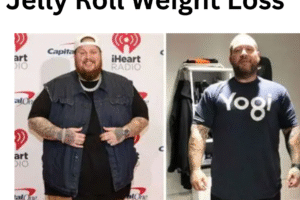
Jelly Roll Weight Loss

Jelly Roll Weight Loss:Jelly Roll, the popular country-rap artist, has amazed fans with his incredible weight loss journey. The musician, whose real name is Jason DeFord, has been open about his efforts to get healthier and lose weight. In this article, we’ll cover everything you need to know about Jelly Roll’s weight loss story and what you can learn from it.

Who Is Jelly Roll?

Jelly Roll is a famous singer and rapper known for mixing country music with hip-hop. He’s become hugely popular with hit songs like “Son of a Sinner” and “Need a Favor.” His music talks about real-life struggles, making him relatable to millions of fans.

The artist has been honest about his difficult past, including problems with addiction and time in jail. Now, he’s focused on turning his life around, and losing weight is a big part of that journey.

Why Did Jelly Roll Want to Lose Weight?

Jelly Roll decided to lose weight for several important reasons:

For His Family – He wanted to be healthy for his wife Bunnie XO and his kids. He wants to be around for many years to watch them grow up.

For His Health – Carrying extra weight was affecting his energy and overall health. He noticed it was getting harder to perform on stage.

For His Career – Touring and performing every night is physically demanding. Being in better shape helps him do his job better.

To Feel Better – He wanted to feel more confident and comfortable in his own body.

How Did Jelly Roll Lose Weight?

Jelly Roll didn’t use any crazy diets or magic pills. Instead, he made simple, healthy changes to his lifestyle. Here’s what he did:

Changed His Eating Habits

Jelly Roll started eating healthier foods and watching his portion sizes. Some changes he made include:

  • Eating more vegetables and fruits
  • Cutting back on fast food
  • Drinking more water instead of sugary drinks
  • Eating smaller portions
  • Choosing healthier options when on tour

He didn’t completely give up his favorite foods. Instead, he learned to eat them in moderation. This made his diet easier to stick with long-term.

Started Exercising Regularly

Exercise became a big part of Jelly Roll’s routine. He shared workout videos on social media showing:

  • Gym workouts with trainers
  • Playing basketball
  • Cardio exercises
  • Weight training

Even with his busy tour schedule, he made time to stay active. He proved that anyone can find time to exercise if they make it a priority.

Worked on Mental Health

Jelly Roll has talked about how important mental health is for weight loss. He worked on:

  • Understanding why he overate
  • Finding healthier ways to deal with stress
  • Being patient with himself
  • Staying motivated even when progress was slow

This mental work was just as important as diet and exercise for his success.

How Much Weight Did Jelly Roll Lose?

While Jelly Roll hasn’t shared an exact number, fans can see a big difference in his appearance. Photos from recent concerts show he looks much slimmer than before.

More importantly, he says he feels amazing. He has more energy, performs better on stage, and feels healthier overall.

Jelly Roll Weight Loss Timeline

Jelly Roll’s weight loss didn’t happen overnight. It’s been a gradual process over months and years. Here’s a general timeline:

Early 2023 – Fans started noticing changes in his appearance

Mid 2023 – He began sharing more about his fitness journey on social media

Late 2023-2024 – The transformation became more visible, with significant weight loss evident in photos and videos

2025 – He continues to maintain his healthy lifestyle while touring

What Makes Jelly Roll’s Approach Different?

Many celebrities promote weight loss products or extreme diets. Jelly Roll is different because:

He’s Honest – He admits that losing weight is hard work and takes time

No Quick Fixes – He doesn’t promote diet pills, shakes, or miracle products

Realistic Goals – He focuses on being healthier, not perfect

Relatable – He talks about the struggles that regular people face

Sustainable – His methods are things anyone can do long-term

Simple Tips from Jelly Roll’s Weight Loss Journey

Want to start your own weight loss journey? Here are easy tips inspired by Jelly Roll:

Start Small

Don’t try to change everything at once. Make one or two small changes and build from there.

Find Your Reason

Know why you want to lose weight. Whether it’s for family, health, or confidence, keep that reason in mind.

Eat Better, Not Less

Focus on adding healthy foods rather than just eating less. More vegetables, lean protein, and whole grains will naturally help you eat better.

Move Your Body

You don’t need a gym membership. Walking, dancing, or playing with your kids all count as exercise.

Be Patient

Weight loss takes time. Don’t expect overnight results. Celebrate small victories along the way.

Get Support

Tell friends and family about your goals. Having people cheer you on makes it easier.

Don’t Give Up

If you have a bad day, that’s okay. Tomorrow is a new day to make healthy choices.

Common Weight Loss Mistakes to Avoid

Learning from Jelly Roll’s approach, here are mistakes to avoid:

Crash Dieting – Extreme diets don’t work long-term. Focus on lifestyle changes instead.

Skipping Meals – This can slow your metabolism and make you overeat later.

Only Focusing on the Scale – Pay attention to how you feel and how your clothes fit, not just the number.

Being Too Hard on Yourself – Progress isn’t always perfect. Be kind to yourself.

Ignoring Mental Health – Address emotional eating and stress in healthy ways.

How Jelly Roll Stays Motivated

Staying motivated is one of the hardest parts of weight loss. Here’s what helps Jelly Roll:

  • Thinking about his family and wanting to be healthy for them
  • Noticing how much better he feels
  • Seeing improvements in his performance ability
  • Getting support from his wife and fans
  • Remembering how far he’s come

Jelly Roll’s Diet: What He Eats

While Jelly Roll hasn’t shared a detailed meal plan, he’s mentioned eating:

Protein – Chicken, fish, and lean meats to build muscle and stay full

Vegetables – Lots of veggies for vitamins and fiber

Whole Grains – Brown rice and whole wheat bread for energy

Fruits – Natural sweets that provide nutrients

Water – Staying hydrated throughout the day

He avoids or limits:

  • Fast food
  • Sugary sodas
  • Processed snacks
  • Large portions

Jelly Roll’s Workout Routine

Jelly Roll’s exercise routine includes:

Cardio – Walking, running, or cycling to burn calories

Strength Training – Lifting weights to build muscle

Sports – Playing basketball for fun exercise

Consistency – Working out several times per week, even while touring

He works with trainers who help him exercise safely and effectively.

The Role of Support in Weight Loss

Jelly Roll’s wife, Bunnie XO, has been supportive throughout his journey. Having support from loved ones is crucial for weight loss success. Here’s why support matters:

  • Encouragement during tough times
  • Someone to exercise with
  • Help making healthy meals
  • Accountability to keep going
  • Celebration of achievements

If you’re trying to lose weight, find a friend, family member, or online community to support you.

How Weight Loss Has Changed Jelly Roll’s Life

Losing weight has improved many areas of Jelly Roll’s life:

Better Health – He feels healthier and has more energy

Improved Performances – He can give better concerts without getting as tired

More Confidence – He feels better about himself

Stronger Relationships – He’s setting a good example for his family

Career Success – His health improvements have coincided with his biggest career achievements

Can You Do What Jelly Roll Did?

Yes! Jelly Roll’s approach to weight loss is realistic for regular people. You don’t need expensive programs, personal chefs, or fancy gyms. Here’s what you do need:

  • Commitment to making changes
  • Patience for gradual progress
  • Willingness to eat healthier
  • Time for regular exercise
  • Support from others
  • Focus on mental health too

Frequently Asked Questions About Jelly Roll’s Weight Loss

How much does Jelly Roll weigh now? – He hasn’t shared his current weight publicly.

Did Jelly Roll have weight loss surgery? – He hasn’t mentioned having any surgery. His weight loss appears to be from diet and exercise.

What diet is Jelly Roll on? – He focuses on balanced, healthy eating rather than following a specific named diet.

How long did it take Jelly Roll to lose weight? – His transformation has happened gradually over a year or more.

Does Jelly Roll use supplements? – He hasn’t promoted any specific supplements or weight loss products.

The Bottom Line

Jelly Roll’s weight loss journey shows that real change is possible when you’re ready to commit. His transformation isn’t about perfection—it’s about making better choices consistently over time.

What makes his story so inspiring is how honest and relatable he is. He hasn’t promoted quick fixes or miracle solutions. Instead, he’s shown that eating better, exercising regularly, and working on mental health can lead to real results.

Whether you need to lose 20 pounds or 200 pounds, the principles are the same: make sustainable changes, be patient with yourself, and keep going even when it’s hard.

Final Thoughts

Jelly Roll’s weight loss proves that it’s never too late to improve your health. No matter where you’re starting from or what challenges you’ve faced, positive change is possible.

His journey reminds us that weight loss is about more than looking different—it’s about feeling better, having more energy, and being healthier for the people we love.

If Jelly Roll’s story has inspired you, take that first step today. It doesn’t have to be a big step. Maybe it’s drinking more water, taking a short walk, or eating one more vegetable. Small steps lead to big changes over time.

Remember, your journey is your own. Don’t compare yourself to others. Focus on being a little better today than you were yesterday. With time, patience, and effort, you can achieve your health goals just like Jelly Roll has achieved his.

The most important message from Jelly Roll’s transformation is this: you deserve to be healthy and happy. No matter what your past looks like or how many times you’ve tried and struggled before, you can do this. Start today, be consistent, and believe in yourself. Your transformation story is waiting to be written.

Bridget Fonda Weight Loss Journey: A Story of Privacy, Health, and Self-Acceptance

Bridget Fonda Weight Loss Journey

Bridget Fonda Weight Loss Journey :Bridget Fonda, a name that once dominated Hollywood’s golden era of the 1990s, has been a subject of public curiosity for decades. The talented actress, known for her roles in films like “Single White Female,” “Jackie Brown,” and “Point of No Return,” stepped away from the spotlight in the early 2000s, leaving fans wondering about her life beyond Hollywood. In recent years, discussions about Bridget Fonda’s weight loss journey and physical transformation have captured significant attention, sparking conversations about body image, health, and the pressures of fame.

This article explores Bridget Fonda’s journey, her life after Hollywood, and the broader conversation around weight loss, health, and body acceptance that her story has inspired.

Who is Bridget Fonda?

Before delving into her personal journey, it’s essential to understand who Bridget Fonda is and why her story resonates with so many people.

Born on January 27, 1964, into Hollywood royalty, Bridget Fonda is part of the legendary Fonda acting dynasty. She is the daughter of actor Peter Fonda and niece of Jane Fonda, with her grandfather being the iconic Henry Fonda. Growing up surrounded by cinematic excellence, Bridget seemed destined for the silver screen.

Her acting career took off in the late 1980s and flourished throughout the 1990s. She demonstrated remarkable versatility, seamlessly transitioning between genres from psychological thrillers to romantic comedies. Films like “The Godfather Part III,” “Singles,” “It Could Happen to You,” and her memorable performance in Quentin Tarantino’s “Jackie Brown” solidified her status as one of Hollywood’s most talented actresses of her generation.

At the peak of her career, Bridget Fonda was celebrated not only for her acting prowess but also for her natural beauty and elegant presence on screen.

Stepping Away from Hollywood

In 2002, Bridget Fonda made a decision that surprised many in the entertainment industry—she retired from acting. Her last credited role was in the television film “Snow Queen” in 2002, after which she chose to step away from the limelight entirely.

Several factors contributed to her retirement. In 2003, she married acclaimed composer Danny Elfman, known for his work on numerous Tim Burton films and television shows like “The Simpsons” theme. The couple welcomed their son, Oliver, in 2005. Bridget has spoken about prioritizing her family life and finding fulfillment away from the demanding nature of Hollywood.

Additionally, Bridget was involved in a serious car accident in 2003, which resulted in a fractured vertebra. This incident may have influenced her decision to focus on recovery and family rather than returning to the physically demanding world of acting.

The Public’s Fascination with Her Transformation

For nearly two decades, Bridget Fonda lived a remarkably private life, rarely appearing in public or on social media. When paparazzi photos of her surfaced in recent years, they sparked widespread discussion about her physical appearance and weight changes.

The images showed a woman who looked different from the Hollywood starlet audiences remembered from the 1990s. This transformation became a topic of intense public interest, with various media outlets and social media platforms buzzing with commentary about her appearance and health.

It’s crucial to approach this topic with sensitivity and respect. Bridget Fonda has not publicly discussed any intentional weight loss journey or made detailed statements about her body or health in relation to these discussions. Much of the conversation surrounding her transformation is speculation based on public appearances and photographs.

Understanding Weight Changes After Leaving the Spotlight

Hollywood places immense pressure on actors, particularly women, to maintain specific physical standards. The demands of the industry often include strict diets, intensive workout regimens, and constant scrutiny of one’s appearance. When actors step away from this environment, it’s natural for their bodies to change.

Several factors can contribute to weight changes after leaving Hollywood:

Reduced Pressure: Without the constant need to maintain a camera-ready appearance, individuals may adopt more relaxed attitudes toward diet and exercise.

Lifestyle Changes: The transition from a demanding filming schedule to a more sedentary lifestyle can affect metabolism and body composition.

Aging: Natural metabolic changes occur as we age, making it easier to gain weight and harder to lose it.

Health Conditions: Various medical conditions, medications, and life events can impact weight.

Prioritizing Different Values: Many former celebrities choose to prioritize family, mental health, and personal happiness over maintaining their Hollywood physique.

The Pressure of Hollywood Beauty Standards

Bridget Fonda’s story highlights the often unrealistic and unsustainable beauty standards imposed on women in Hollywood. During her acting career, she, like many actresses, was expected to maintain a specific body type that often required extreme measures.

The entertainment industry has long been criticized for its narrow definition of beauty, particularly for women. Actresses face pressure to stay thin, look young, and maintain flawless appearances at all times. This pressure can lead to unhealthy relationships with food, exercise, and body image.

When celebrities step away from this environment, they often experience freedom from these constraints. For some, this means allowing their bodies to exist in a more natural state without the constant pressure to meet unrealistic standards.

Health Considerations in Weight Loss Journeys

While public interest in Bridget Fonda’s appearance continues, it’s important to remember that weight and health are deeply personal matters. Without direct information from Bridget herself, we cannot know the specifics of her health journey or any intentional changes she may or may not have made.

That said, healthy weight management generally involves several key components:

Balanced Nutrition: A diet rich in whole foods, vegetables, lean proteins, and healthy fats supports overall health and sustainable weight management.

Regular Physical Activity: Exercise not only aids in weight management but also improves mental health, bone density, and cardiovascular function.

Adequate Sleep: Quality sleep is crucial for metabolism, hormone regulation, and overall wellbeing.

Stress Management: Chronic stress can impact weight through hormonal changes and behavioral patterns.

Medical Support: Working with healthcare professionals ensures that any weight loss journey is safe and appropriate for individual health needs.

Mental Health: A positive relationship with one’s body and food is essential for long-term health and happiness.

The Impact of Aging on Body Composition

Bridget Fonda is now in her sixties, and it’s natural for bodies to change with age. Understanding these changes can help foster more realistic expectations and greater compassion for ourselves and others.

As we age, several physiological changes occur:

Metabolic Slowdown: Basal metabolic rate decreases with age, meaning the body burns fewer calories at rest.

Muscle Mass Loss: Without intentional strength training, adults lose muscle mass as they age, which further slows metabolism.

Hormonal Changes: For women, menopause brings significant hormonal shifts that can affect weight distribution and fat storage.

Activity Level Changes: Many people become less active as they age due to various factors including health conditions, joint pain, or lifestyle changes.

These natural processes mean that maintaining the same body weight and composition becomes more challenging over time, even with consistent diet and exercise habits.

Privacy and Celebrity Culture

Bridget Fonda’s choice to live privately raises important questions about celebrity culture and our society’s obsession with famous people’s appearances. Her decision to step away from public life deserves respect, yet paparazzi photos continue to surface, often accompanied by commentary about her appearance.

This phenomenon reflects broader issues in our culture:

The Commodification of Celebrity Bodies: Famous people’s bodies are often treated as public property, subject to constant scrutiny and judgment.

Double Standards: Women face significantly more criticism about their appearances than men, and aging women in particular are subject to harsh judgment.

The Right to Privacy: Celebrities are human beings who deserve privacy and dignity, especially when they’ve retired from public life.

Media Responsibility: The media’s role in perpetuating harmful narratives about bodies and appearances deserves critical examination.

Body Positivity and Self-Acceptance

Bridget Fonda’s story, regardless of the specifics, can serve as a starting point for important conversations about body positivity and self-acceptance. In a world that constantly tells us our bodies need to be “fixed,” choosing to exist without apology is a radical act.

Body positivity principles include:

All Bodies Are Valid: Health and worth are not determined by size, shape, or appearance.

Respect for Autonomy: Everyone has the right to make their own choices about their body without judgment.

Challenging Beauty Standards: Recognizing that beauty standards are socially constructed and often harmful.

Health Over Appearance: Prioritizing how we feel and function over how we look.

Compassion: Extending kindness to ourselves and others, regardless of body size or changes.

Lessons from Bridget Fonda’s Journey

While we may not know the specific details of Bridget Fonda’s personal journey, her story offers valuable lessons:

Authenticity Matters: Living authentically and prioritizing what truly matters to you is more important than meeting others’ expectations.

Life Beyond Hollywood: There is fulfillment and happiness to be found outside the entertainment industry and public eye.

Family and Personal Life: For Bridget, choosing family over fame has been her priority, showing that success means different things to different people.

The Right to Privacy: Everyone, including public figures, deserves the right to live privately without constant scrutiny.

Natural Changes Are Normal: Bodies change throughout life, and that’s a natural, acceptable part of the human experience.

The Broader Conversation About Weight and Health

Discussions about celebrity weight loss or gain often miss the bigger picture about health, wellness, and body diversity. True health encompasses physical, mental, and emotional wellbeing—not just a number on a scale or a particular clothing size.

Important considerations include:

Health at Every Size: Research supports the idea that health behaviors are more important than weight itself.

Individual Differences: Genetics, medical conditions, medications, and countless other factors influence body size and composition.

Mental Health: Obsessing over weight and appearance can negatively impact mental health and quality of life.

Sustainable Practices: Extreme diets and exercise regimens are rarely sustainable or healthy long-term.

Quality of Life: Ultimately, feeling good and being able to engage in activities you enjoy matters more than achieving a specific body type.

Moving Forward with Compassion

As we consider Bridget Fonda’s journey and the public response to it, we’re challenged to examine our own attitudes about bodies, aging, and celebrity culture. Her choice to live privately, away from Hollywood’s demands, is worthy of respect rather than judgment.

Whether someone is gaining or losing weight, maintaining their weight, or experiencing natural body changes, they deserve compassion and dignity. This applies to celebrities and non-celebrities alike.

Conclusion

Bridget Fonda’s weight loss journey, or more accurately, her journey through life after Hollywood, reminds us of the complex relationship between fame, body image, and personal choice. While public curiosity about her transformation is understandable given her previous prominence, it’s essential to approach such topics with empathy and respect for privacy.

Her story highlights the unrealistic pressures placed on women in Hollywood, the natural changes that come with aging, and the courage it takes to prioritize personal happiness over public expectations. Whether or not Bridget Fonda has embarked on an intentional weight loss journey, her choice to live authentically and privately deserves our respect.

Ultimately, Bridget Fonda’s legacy extends far beyond her physical appearance. She gave us memorable performances, contributed to cinema during an exciting era, and now lives life on her own terms. In a world obsessed with celebrity culture and appearance, perhaps the most important lesson from her journey is that true success means defining happiness for yourself, regardless of others’ expectations or opinions.

As we move forward, let’s challenge ourselves to extend more compassion to all bodies, respect people’s privacy, and recognize that health and happiness come in many different forms. Bridget Fonda’s story is ultimately one of a woman who chose her own path—and that choice, whatever it looks like, is hers to make